
The Future of Black Scholarship: Preparing to Thrive While Demanding That Academia Changes
Progress in representation is real. But a global academy cannot call itself inclusive while belonging, advancement and intellectual authority remain unequally distributed.
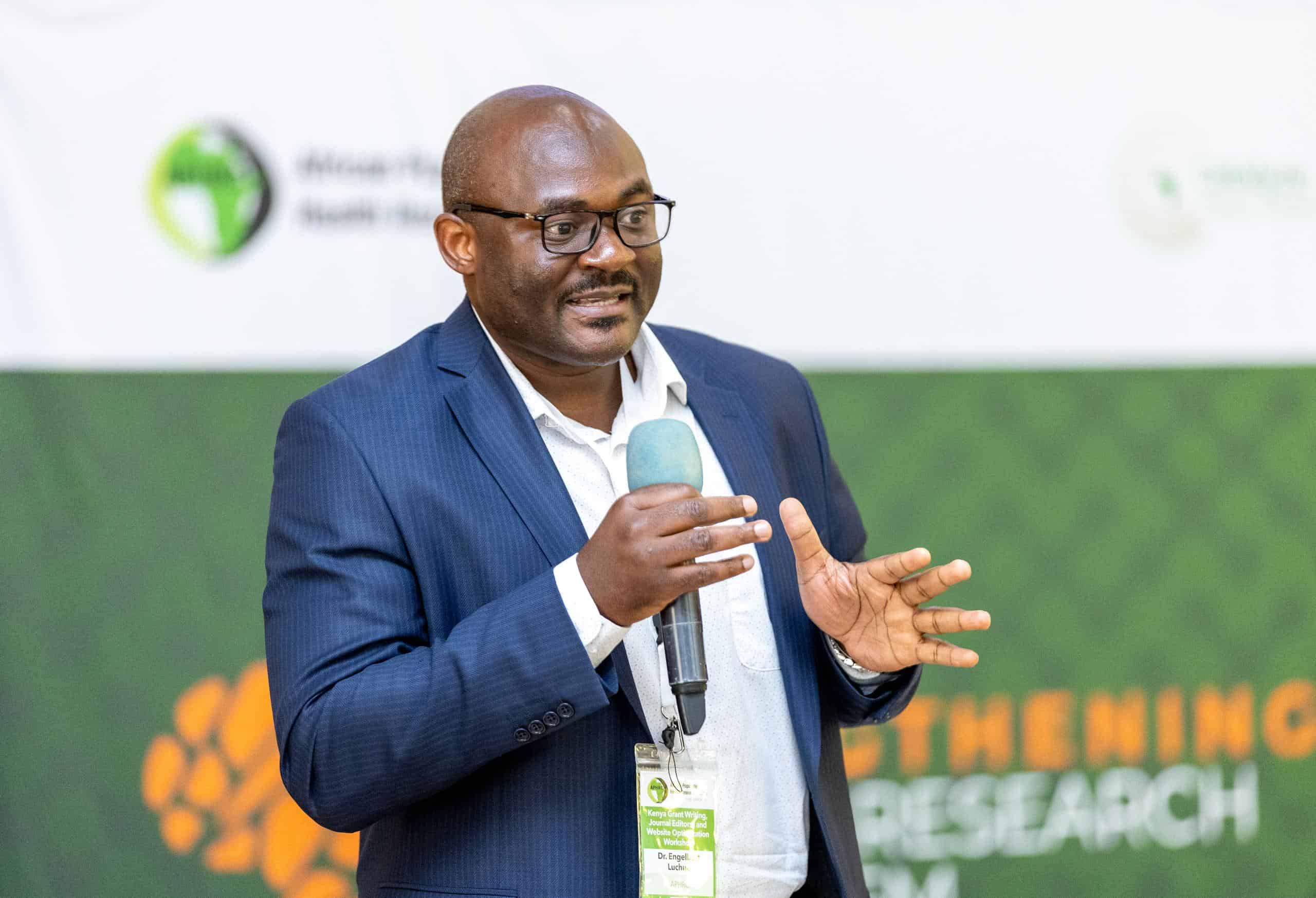
By Luchuo Engelbert Bain, MD, PhD, FAAS.
There has been meaningful progress in racial representation, diversity commitments and the visibility of Black scholarship. Yet the evidence warns against confusing presence with power. A recent UK review reports that only 0.6% of STEMM professors are Black, with Black researchers also representing less than 1% of fellowship holders and principal investigators. The authors argue that this is not simply a pipeline problem, but reflects intersecting barriers in recruitment, funding, progression and research culture. The uncomfortable question is therefore not only who enters academia, but who is enabled to thrive, lead and define excellence.
Whose knowledge counts—and who is presumed to belong?
The problem extends beyond employment statistics. Scholarship itself is structured by unequal visibility and authority. A 2026 analysis of African Studies found that only 32% of authors in the journal studied were African, while Western institutions and funding structures continued to shape knowledge production. This raises an epistemic question at the heart of global scholarship: who gets to study whom, whose concepts travel globally, whose work is cited, and who controls the resources that convert ideas into recognised knowledge?
Black students and early-career researchers are watching these systems closely. Research based on 72 interviews with minority ethnic STEM students at elite UK universities describes “conditional belonging”—the sense that some students must continually demonstrate that they deserve to occupy academic spaces in which others are more readily presumed to belong. This matters because today’s institutional behaviour becomes tomorrow’s career expectation.
Preparation matters—but resilience cannot become the reform
Future Black scholars should be prepared truthfully for the academy they are entering. Scholarly excellence, self-efficacy, strategic networks, mentorship and sponsorship, negotiation skills, institutional literacy, collective organisation and the courage to claim intellectual space all matter. But preparation must never become a sophisticated way of transferring responsibility for racism from institutions to individuals. The documented “minority tax” borne by Black academics—unrewarded mentoring, representation and diversity labour—illustrates why telling scholars simply to become more resilient is inadequate.
Universities, journals and funders need transparent recruitment and promotion, equitable workloads and funding, credible reporting systems, protection against retaliation, measurable equity indicators and consequences when commitments are not implemented.
The future of Black scholarship should therefore not be reduced to asking, “How can Black scholars survive academia?” The more consequential question is: what must academia become so that exceptional resilience is no longer a prerequisite for equitable participation?
Preparing scholars for present realities and transforming those realities are not competing agendas. They are mutually necessary. The next generation deserves both the truth about the system as it exists and a serious institutional commitment to building the global academy it ought to be.
I argue for the deliberate commissioning and funding of rigorous, independent studies on racism within universities. Academic excellence cannot continue to be defined predominantly by publications, citations, grants, reputation, and graduate earnings.
We need to consistently ask: Can people belong here? Are they treated equitably? Can they speak without fear? Can their intellectual potential genuinely flourish?
Academia is a moral enterprise. We need a more realistically humane academic environment—one in which diverse brains have the psychological safety, dignity, freedom, opportunity, and sense of belonging.


