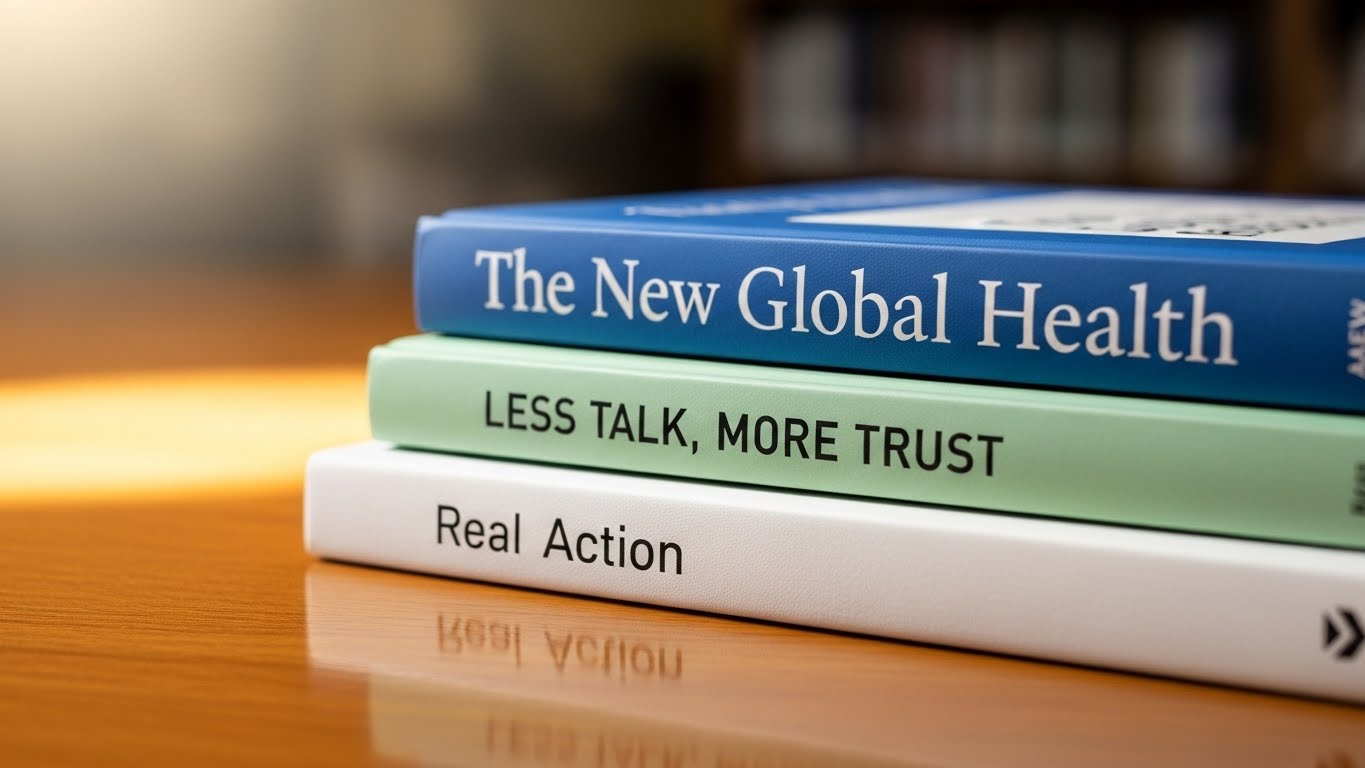
The new global health must begin with a simple, uncomfortable truth: no organization, no country, no institution can do this alone. Pandemics, climate change, antimicrobial resistance, misinformation, and health inequities are collective problems. They demand equitable partnerships by default, not as an afterthought. Collaboration is no longer optional or aspirational—it is the only way work gets done at the speed and scale required.
As we rightly push for the decolonization of global health thinking, we must be equally clear-eyed: decolonization does not mean disconnection. We are bound to live together in an interconnected world. The task before us is not separation, but learning better, more respectful ways of working together—ways that acknowledge power, share decision-making, align incentives, and deliver true win–win outcomes.
This is not sugar-coated solidarity or performative allyship. It is real solidarity, rooted in trust, shared risk, shared accountability, and mutual benefit.
The new global health will be built by courageous and watchful people—leaders, scientists, practitioners, and communicators who are politically astute and diplomatically grounded. People willing to ask uncomfortable questions, to see the devil in the details, and to act before crises erupt.
Too often, global health reacts late—ceding space to misinformation, anti-science activism, and politicized narratives. The future demands that we proactively occupy policy spaces, public discourse, and digital platforms before others fill the vacuum.
This requires a critical mass of scientists who understand that science alone is not enough. Evidence that is not communicated might as well not exist. The new global health will value science communication as a core competency, not a soft skill. It will meet people where they are—on social media, in communities, in everyday conversations—and work hand in hand with journalists, storytellers, and communicators who know how to translate complexity into clarity without losing integrity.
Above all, the new global health will be a learning global health. It will get to work and learn while doing. Less paralysis by analysis. Fewer endless meetings, conferences, declarations, and frameworks that delay action. We already have enough of those. What we need now are trusted people, properly resourced, politically protected, and empowered to deliver.
This is a global health grounded in action, courage, accountability, and humility. One that understands we rise—or fail—together. Otherwise is no longer an option.